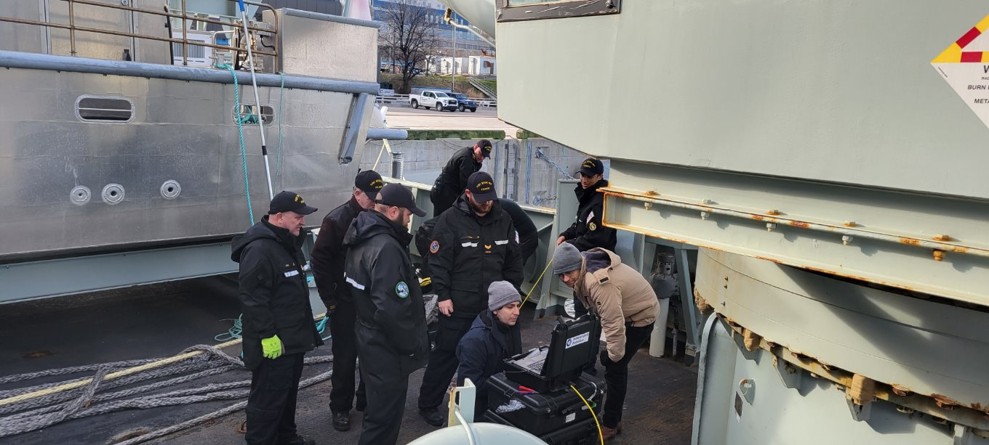
Human-controlled
Transparent processes with clear approval boundaries keep consequential decisions with the operator, while maintaining auditable decision and data provenance.

Independent Robotics builds intelligent software for high-stakes operations, uniting autonomous systems, mission planning, and data analysis across air, land, surface, and subsea.
Our mission
Years of integrating, deploying, and operating robots shape how we combine UXS command and control with cutting-edge AI.
See how the stack connectsTransparent processes with clear approval boundaries keep consequential decisions with the operator, while maintaining auditable decision and data provenance.
Open interfaces connect varied vehicles, sensors, and mission software. Integrate platforms directly, or through supported standards.
Promote your team from one-to-one operators controlling individual platforms to one-to-many supervisors managing fleets.
Core platforms
Plan, approve, and coordinate with IMPAC. Sense and understand with Insight Engine. Each stands alone; together they create a continuous mission advantage.
Command complex, multi-robot operations in plain language.
IMPAC turns operator intent into structured, inspectable mission plans. Coordinate heterogeneous assets, review routes and safety behavior, then dispatch with a clear human approval boundary.
Describe objectives, operating areas, and constraints in plain language. IMPAC turns the request into a structured mission proposal for the operator to inspect.
Assign work across a mixed fleet spanning air, land, surface, and subsea. View each connected asset’s reported position, mission state, and available telemetry in one workspace.
Inspect proposed routes, areas, asset assignments, and mission logic before dispatch. The operator accepts or rejects the mission set before it is sent.
Send approved missions to assets for onboard execution. Once a mission is received, the asset can continue operating even when communications are unavailable, without a continuous connection to IMPAC.
Turn high-volume operational data into decisive intelligence.
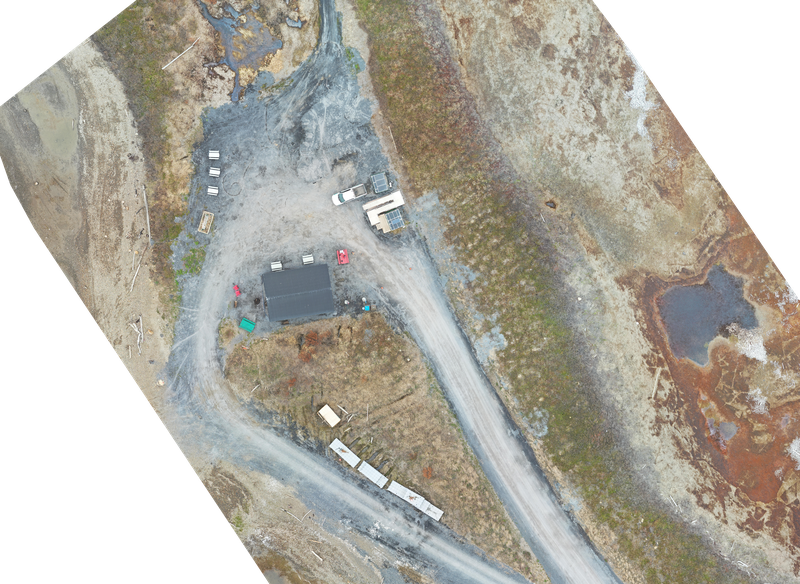
Imagery © WAFU Res Con, via OpenAerialMap. Licensed under CC BY 4.0. Cropped and modified for presentation.
Deploy custom visual detectors from a handful of examples, run data fusion modules over mission imagery, and move from raw sensor data to actionable, traceable, and transparent post-mission reports.
Define a new target using a handful of examples, then apply the detector to new imagery after just minutes of training.
Bring imagery, detections, and sensor information into a shared geographic context. Compare findings by location to support interpretation and post-mission analysis.
Keep analysis results linked to the source data and processing steps that produced them. This traceability supports review and helps carry findings into the next mission plan.
Connect detection and analysis capabilities to existing tools through authenticated APIs, allowing integration into custom workflows or systems.
Workflow
Mission data feeds into the dashboard in real-time, letting operators carry analysis forward into the next planning cycle so teams can adapt as situations evolve.
Combine mission objectives, operating constraints, doctrines, and prior intelligence into a transparent mission plan.
Operators review and approve missions before they are sent securely to autonomous assets to execute.
Consolidate telemetry, imagery, detections, operator notes, and outcomes into post-mission reporting.
Incorporate PMR findings and operator review into the next mission plan.
Operational scope
Coordinate many assets at once in mixed fleets that span multiple domains, all within one operational picture.
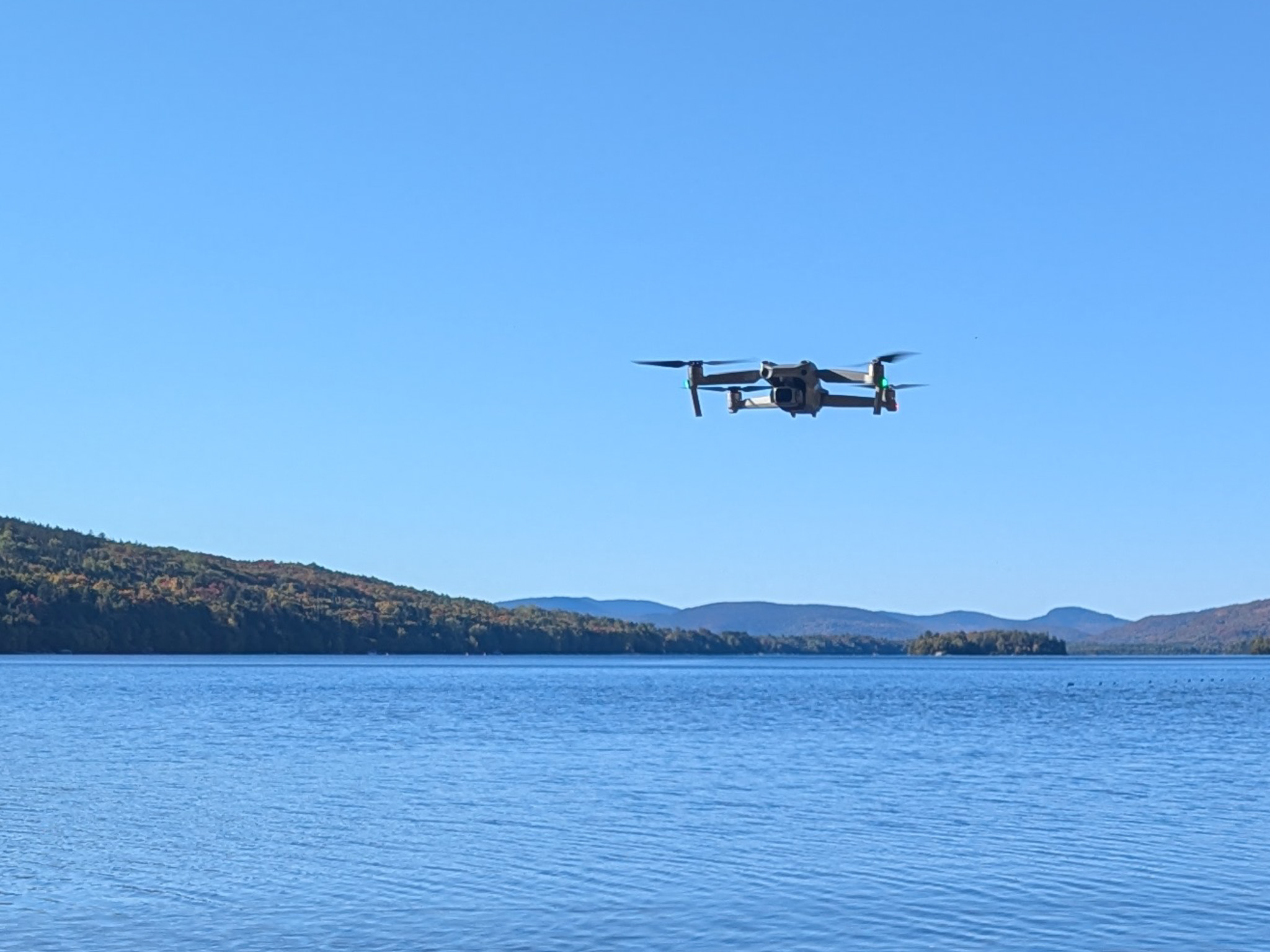
Process imagery and sensor data in real time, delivering immediate analysis across large operating areas.
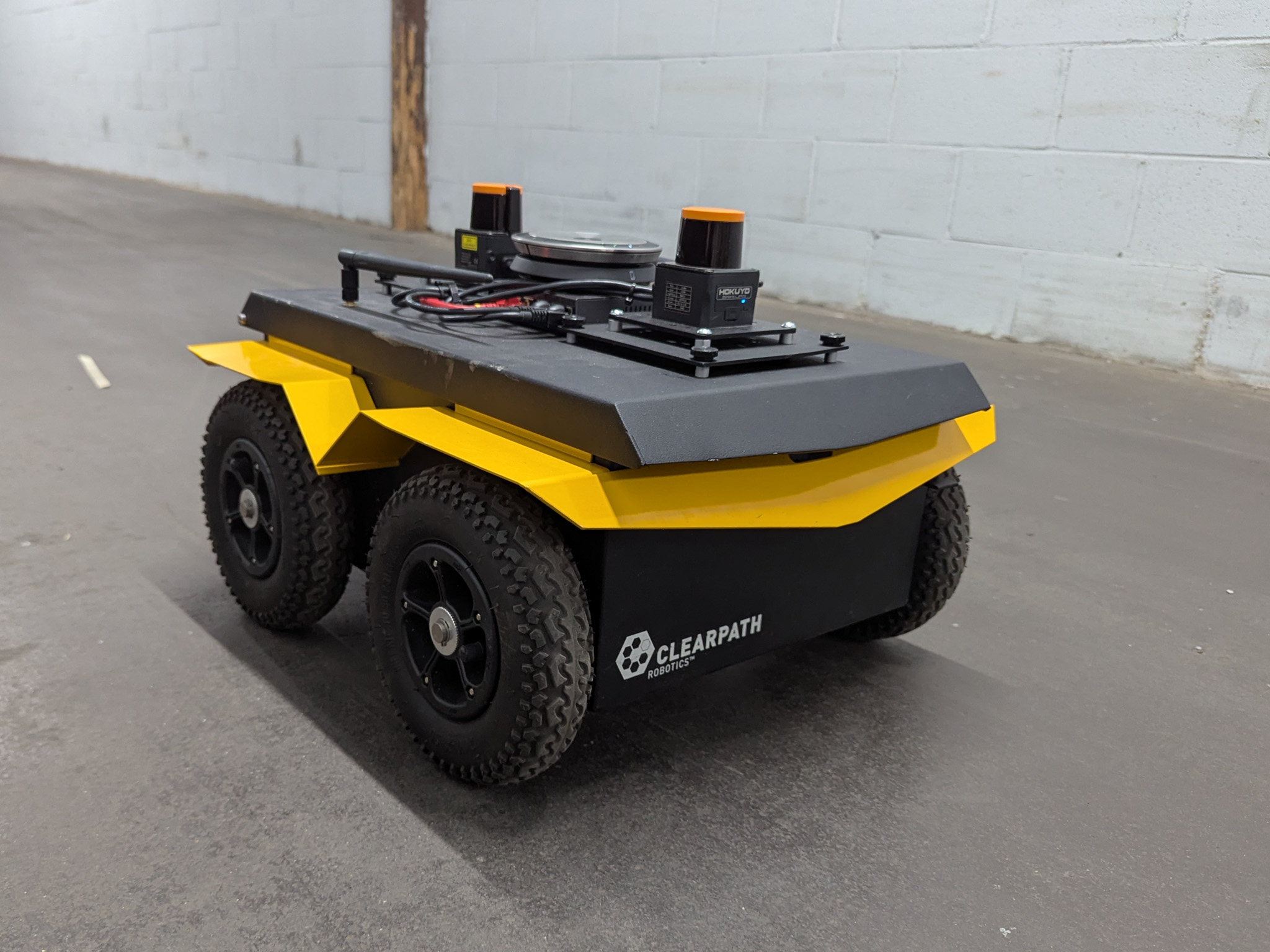
Dispatch the right ground asset on demand, with routes, constraints, and operator approval built into every response.
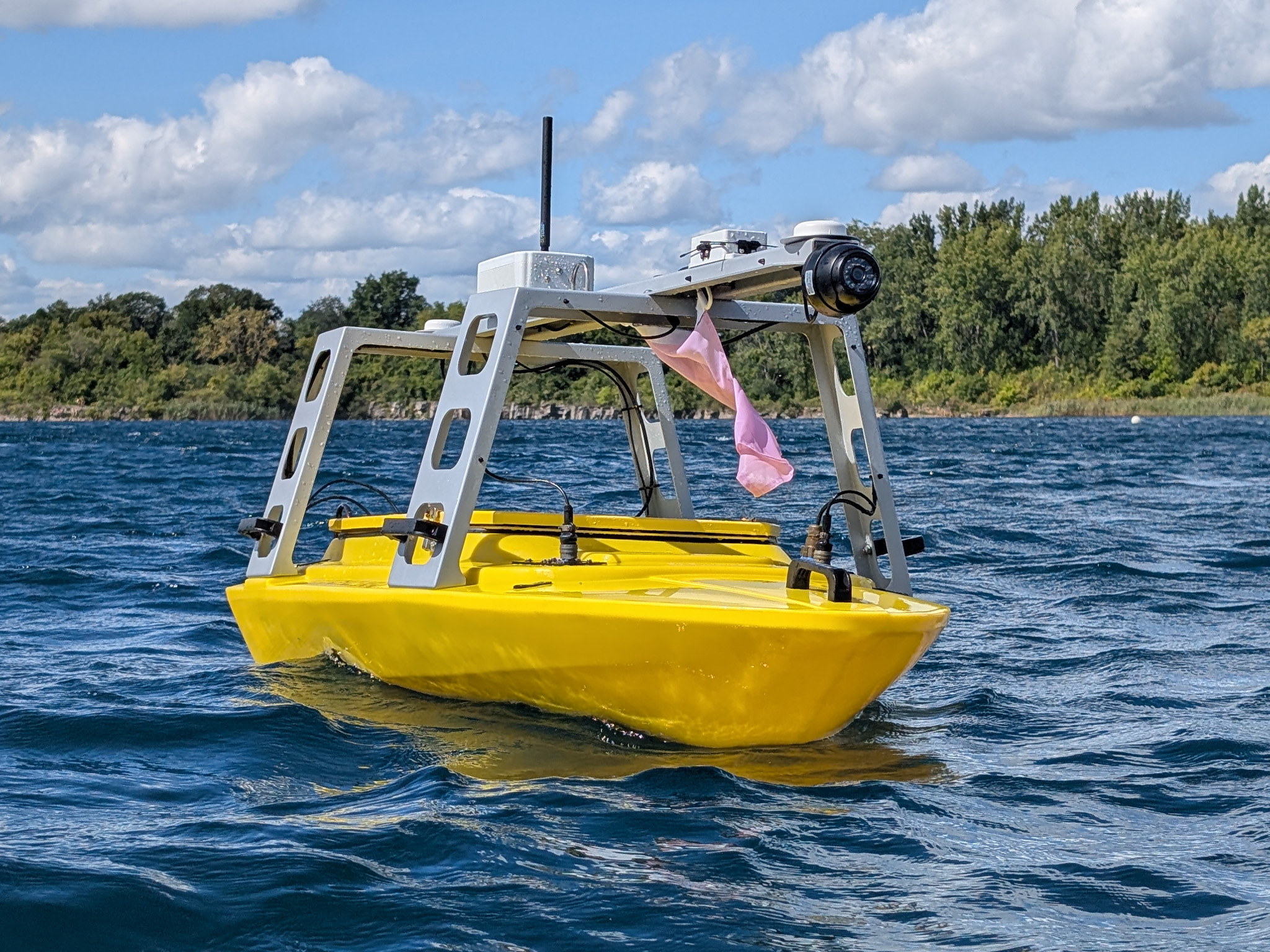
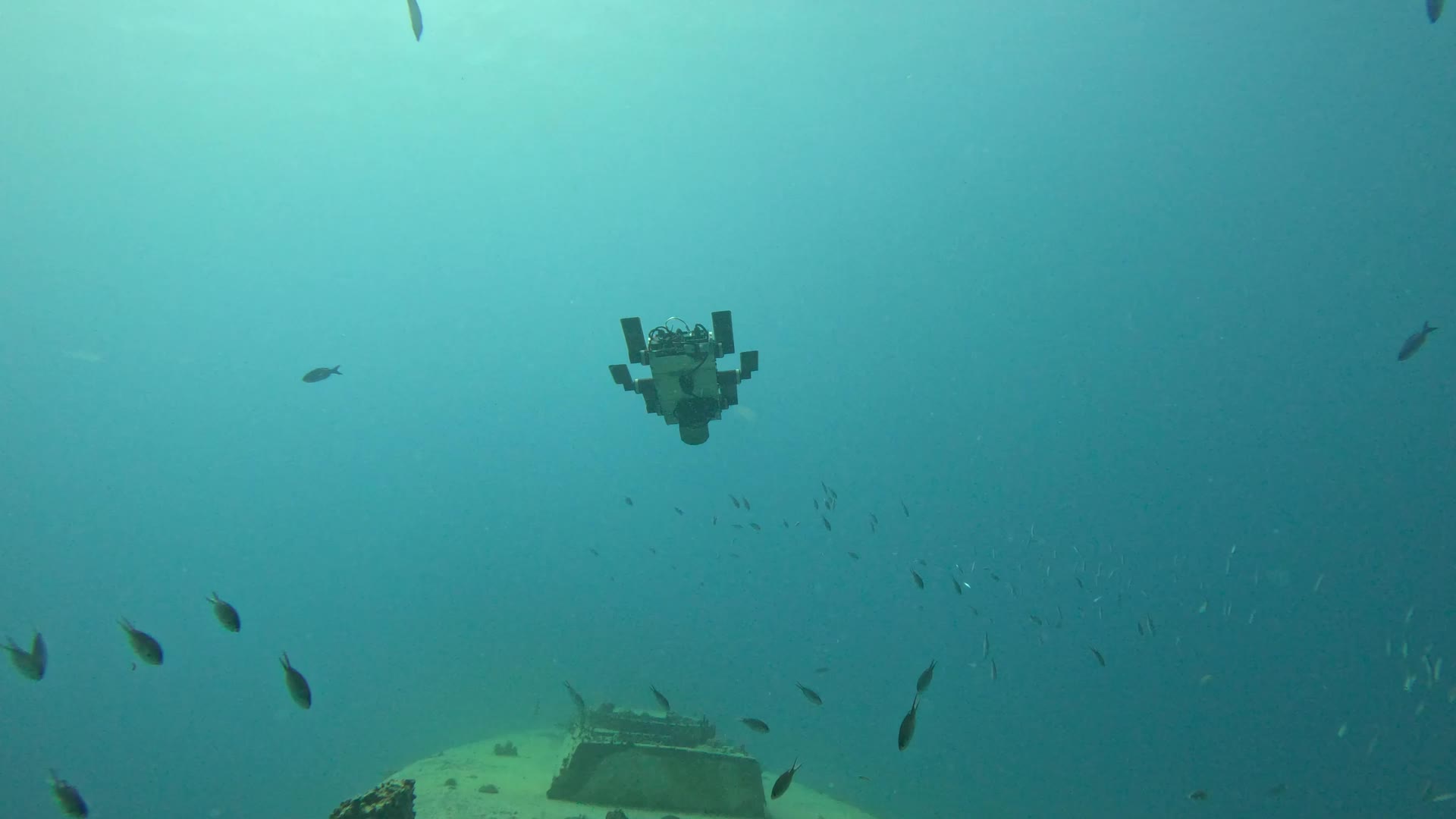
Coordinate vessels and payloads as a fleet, with shared tasking, asset state, and sensor coverage.
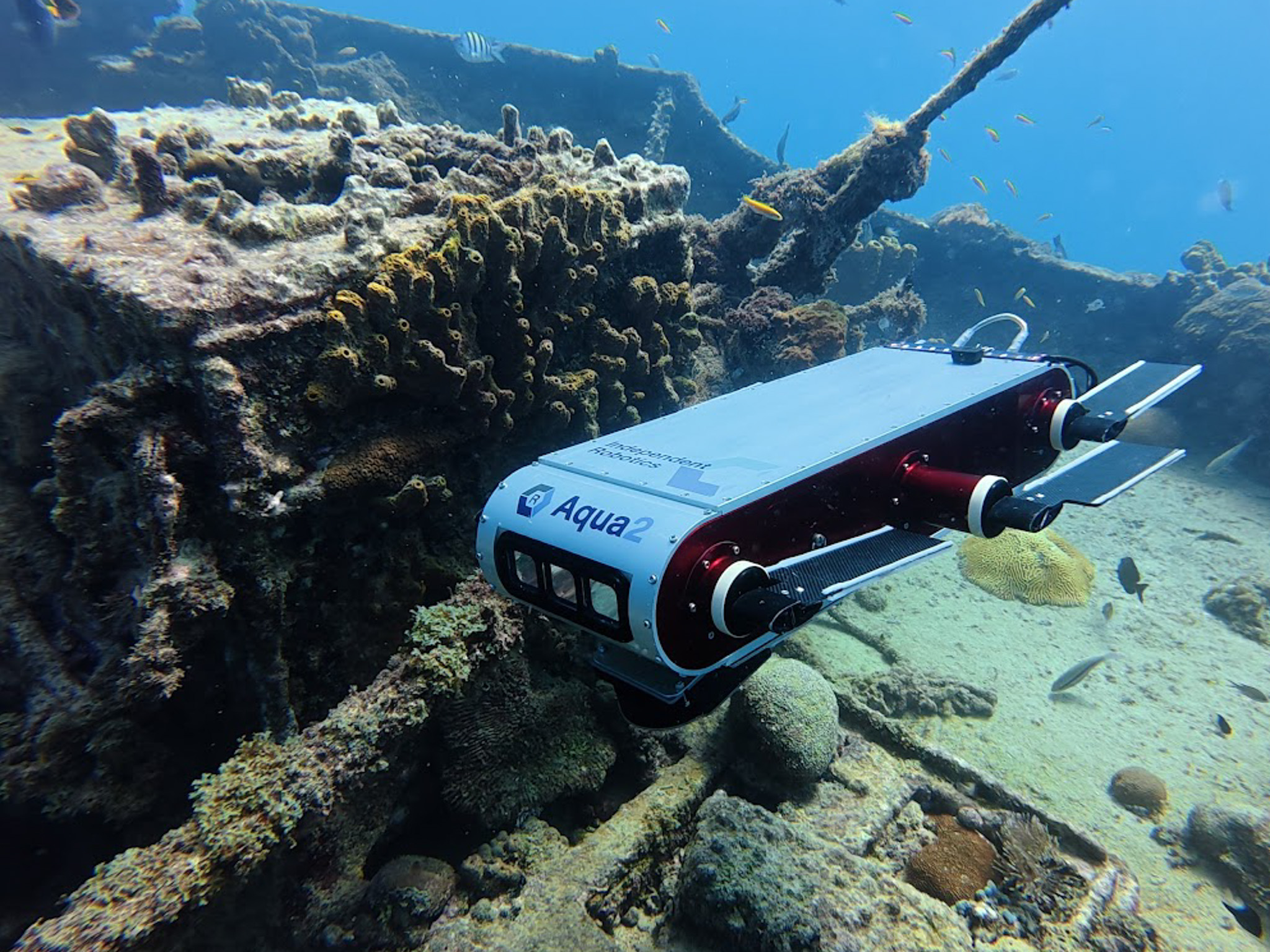
Execute approved missions onboard in comms-denied environments, then return mission data for review.
Talk with our team about autonomous systems, operational intelligence, and integrating IMPAC or Insight Engine into your mission environment.
Contact our team